
If you are choosing windows for a new house or a renovation, you have most likely already come across terms such as “triple glazing”, “insulated glass” or “VacuumGlass”. They all promise energy efficiency. But the differences between them are bigger than they seem at first glance.
In this article we explain exactly what each one is, how they compare and in which situations it makes sense to choose one solution or the other.
What is classic triple glazing?
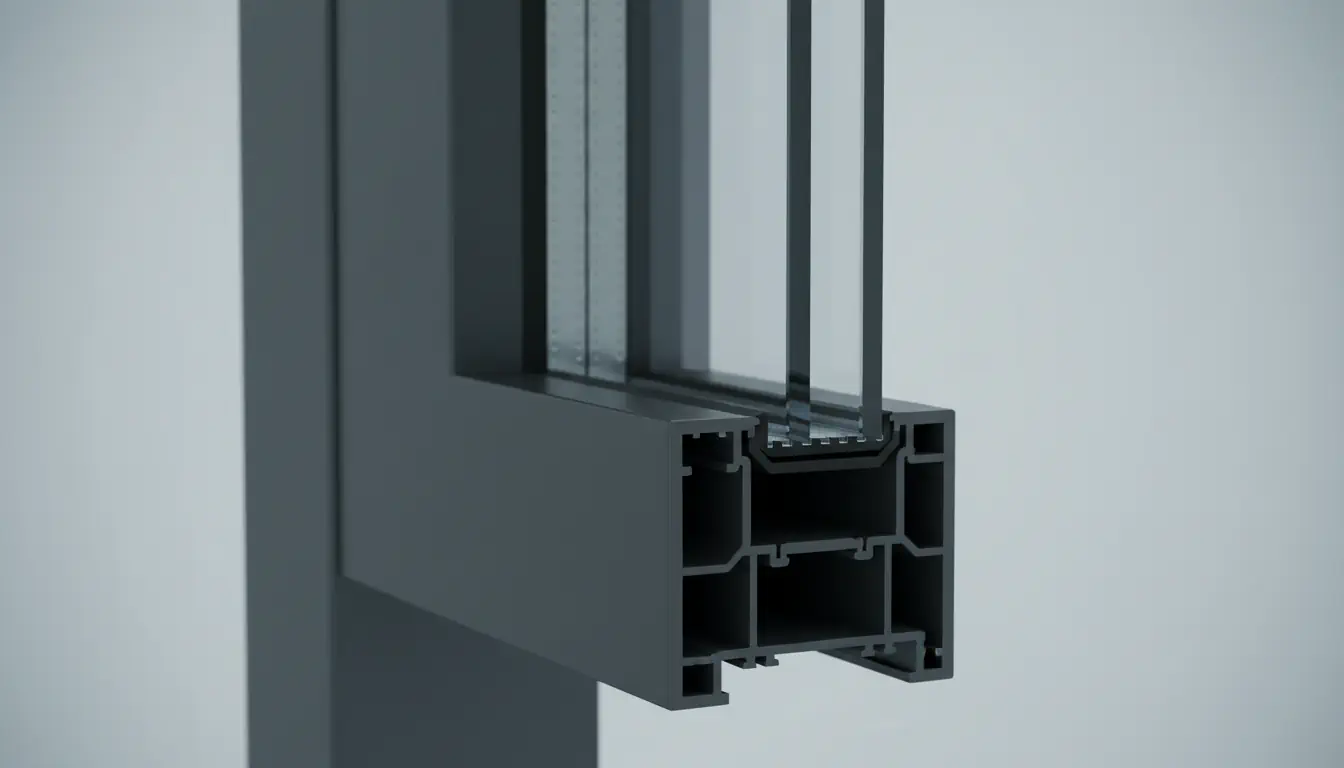
Triple glazing is made of three panes of glass separated by two cavities filled with inert gas — argon or krypton. It is considered the top standard in modern energy-efficient construction and offers significantly better thermal insulation than classic double glazing.
The total thickness of a triple-glazed unit ranges between 28 and 36 mm, with a Ug thermal coefficient between 0.5 and 0.7 W/m²K, depending on the gas used and the type of glass.
What is VacuumGlass?
VacuumGlass is a completely different technology. Instead of inert gas between the layers, it uses a vacuum layer — an absolute vacuum — between two panes of tempered glass, 4 mm each. The result: a total thickness of only 8.3 mm with a Ug thermal coefficient of 0.4 W/m²K.
In other words: thinner than triple glazing, yet better at thermal insulation.
| Vacuumglass® | Classic triple glazing | |
|---|---|---|
| Total thickness | 8.3 mm | 28 — 36 mm |
| Ug thermal coefficient | 0.4 W/m²K | 0.5 — 0.7 W/m²K |
| Sound insulation | Very good | Good |
| Weight | Low | High |
| Heritage compatibility | Yes | No |
| Frame replacement | Not required | Required |
| Technology | Vacuum between layers | Argon / krypton gas |
| Certification | International | Standard |
When should you choose classic triple glazing?
Triple glazing is an excellent solution for new builds where the window frames are designed from scratch to accept a thick unit. If the budget is limited and there are no architectural constraints, triple glazing remains a solid and affordable choice.
When should you choose VacuumGlass?
VacuumGlass becomes the obvious solution in three situations:
Heritage buildings or renovations — where the existing window frames cannot be replaced or structurally modified. VacuumGlass fits into the existing profile without any intervention.
Architecture with slim profiles — where aesthetics call for windows with minimal frames and maximum glazed surfaces. An 8.3 mm unit visually disappears where 36 mm would dominate the façade.
Maximum performance without compromise — if you want the best thermal coefficient available in the smallest possible profile, VacuumGlass has no rival on the market.
Conclusion
There is no universal answer. There is your specific context.
If you are building from scratch and the budget is the main criterion — classic triple glazing does a good job. If you are renovating, working on a heritage building, or simply want the most advanced technology available in 2025 — VacuumGlass is the no-compromise choice.